

Cybersecurity for AV Systems: Protecting Your Networked Audio Video Infrastructure from Threats
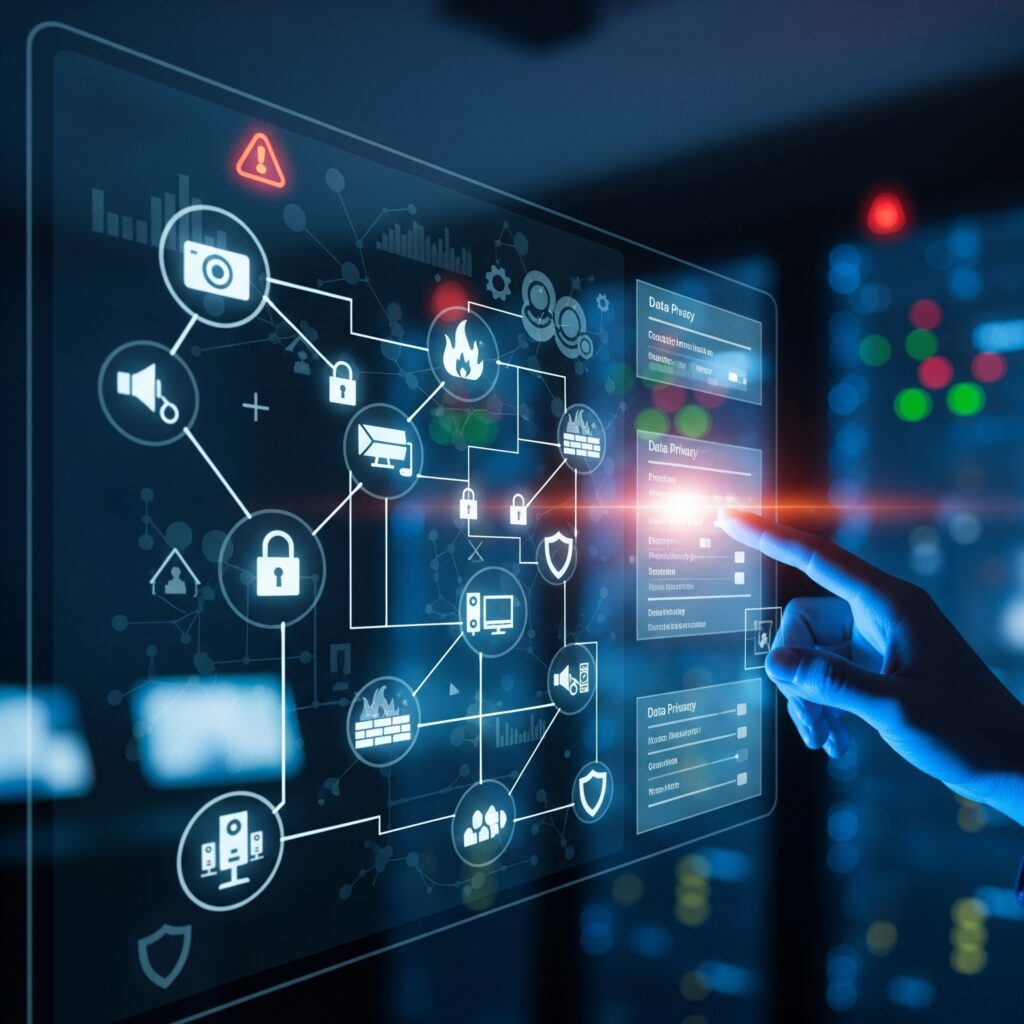
Audiovisual (AV) systems are no longer just for presentations or entertainment. They are a critical part of a company’s network, handling sensitive data and enabling key business functions. This integration, while powerful, also exposes AV infrastructure to the same cybersecurity threats that target traditional IT systems. For this reason, it is crucial to adopt a proactive approach to protecting your networked audio video infrastructure. This guide will focus on three core areas: network security, data privacy, and secure remote access.
Network Security
The first line of defense is securing the network itself. An effective strategy involves segmenting the network, ensuring that AV devices are isolated from the main IT network. This practice helps to contain potential breaches, preventing an attack on one device from compromising the entire system.
Key practices include:
- Network Segmentation: Create a separate, dedicated network for all AV equipment. This isolation acts as a barrier, limiting the ability of a threat to move laterally across your network.
- Regular Updates: Manufacturers frequently release software and firmware updates to address security vulnerabilities. Keeping all AV devices and software up to date is essential to mitigate these risks.
- Strong Authentication: Use unique and complex passwords for every device. Wherever possible, implement multi factor authentication (MFA) to require a second form of verification.
- Monitor for Threats: Employ network monitoring tools to detect and respond to suspicious activity in real time. This vigilance allows for swift action to prevent a potential breach from escalating.
Data Privacy
Data privacy is a paramount concern, especially when AV systems handle confidential information through video conferencing and other collaborative tools. A data breach can lead to significant financial loss and reputational damage.
To safeguard data privacy, consider the following:
- Encryption: Ensure that all data shared through AV systems is encrypted both in transit and at rest. This makes the data unreadable to unauthorized parties, even if it is intercepted.
- Access Control: Limit access to AV systems and sensitive data to only authorized personnel. Use role based access control to ensure users have only the permissions necessary for their jobs.
- Privacy by Design: Integrate privacy considerations into the design of your AV systems from the very beginning. This includes selecting equipment and software that have robust privacy features built in.
- Physical Security: Do not overlook the importance of physical security. Store AV equipment in locked racks or secure rooms to prevent unauthorized physical tampering.
Secure Remote Access
In an era of remote work, secure remote access is essential for managing and servicing AV systems. Unsecured connections can provide an easy entry point for attackers.
Here are best practices for secure remote access:
- Virtual Private Networks (VPNs): Require all remote connections to use a VPN. A VPN creates a secure, encrypted tunnel between the user and your network, protecting data from prying eyes.
- Multi Factor Authentication (MFA): Enforce MFA for all remote access logins. This adds a critical layer of security by requiring more than just a password.
- Zero Trust Architecture: Adopt a zero trust model, which operates on the principle of “never trust, always verify.” Every access request is verified regardless of whether it originates from inside or outside the network.
- Staff Training: Train your employees on how to securely access the network from remote locations. This includes using strong passwords, recognizing phishing attempts, and understanding the risks of public Wi-Fi.
By implementing these strategies, you can build a robust defense against modern cyber threats and ensure your AV infrastructure remains a reliable and secure asset for your organization.