

The Evolution of Digital Signage: From Static Content to Interactive, Personalized Experiences
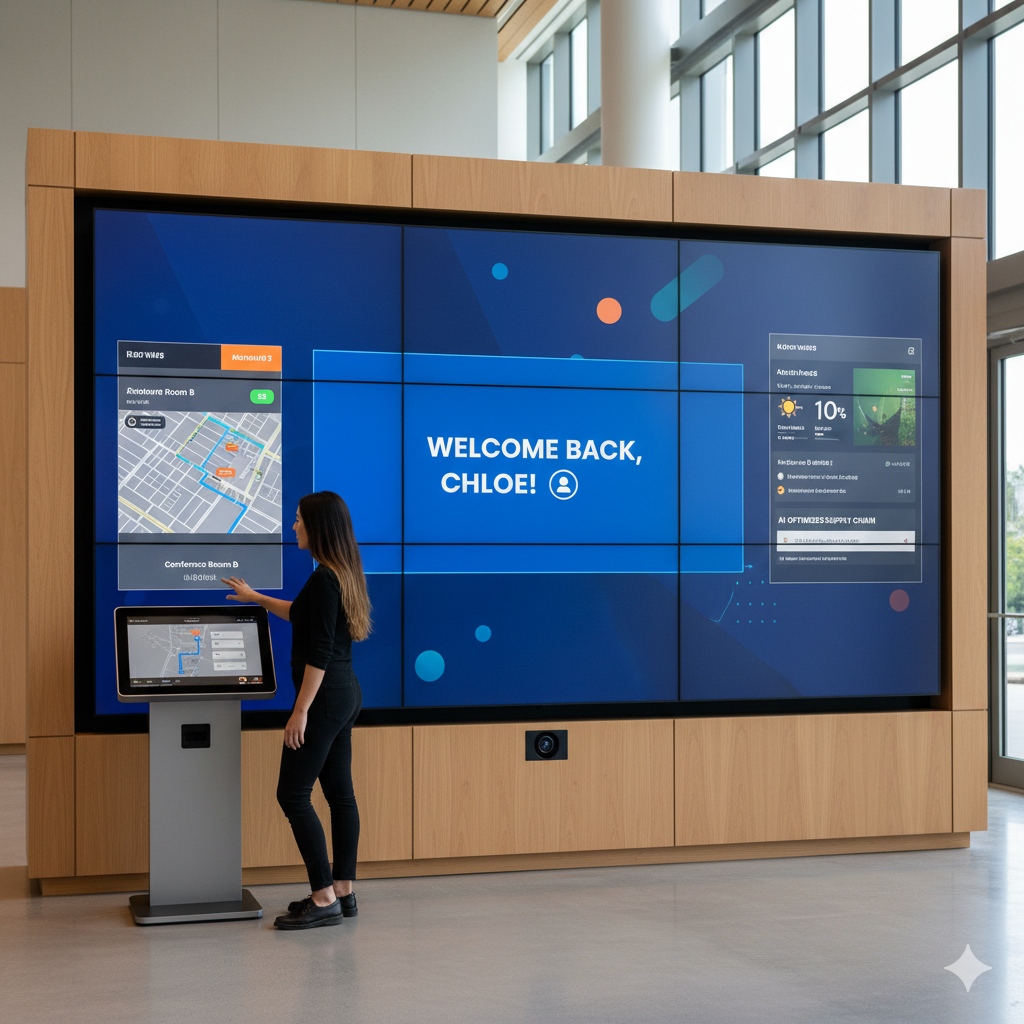
Remember the days of printed posters in lobbies and bulletin boards with faded flyers? We’ve come a long way. Digital signage, once a simple upgrade from static displays, has undergone a remarkable transformation. What began as a more dynamic way to show content has blossomed into a sophisticated platform for immersive audience engagement, real-time updates, and even AI-driven personalization.
At Audio-Video Group, we understand that effective communication is key, and in today’s fast-paced world, that means going beyond the basics. Let’s explore how digital signage has evolved and why these advancements are crucial for modern businesses and organizations.
The Early Days: Dynamic, Yet Still Passive
The first wave of digital signage brought undeniable advantages over traditional methods. Businesses could update content instantly, schedule different messages for various times of day, and display high-quality video and animations. This was a significant leap, allowing for:
- More Engaging Visuals: Videos, scrolling text, and vibrant graphics captured attention far better than static prints.
- Flexibility and Speed: No more printing costs or delays. Content could be changed with a few clicks, perfect for daily specials, event promotions, or urgent announcements.
- Multi-Zone Layouts: Screens could be divided into sections, showing multiple pieces of information simultaneously, like news feeds, weather, and promotions.
While revolutionary at the time, this era of digital signage was still largely a one-way street. Information was broadcast to the audience, but there was little to no interaction from them.
The Interactive Revolution: Engaging Your Audience Directly
The next major leap was the introduction of interactivity. Touchscreen technology, once a novelty, became a standard feature, transforming passive viewers into active participants. This opened up a world of possibilities for:
- Wayfinding Kiosks: No more getting lost in large venues. Interactive maps guide visitors with turn-by-turn directions.
- Product Catalogs & Configurators: Retailers can offer endless aisles, allowing customers to browse extensive inventories, customize products, and even visualize them in real-time.
- Information Hubs: Visitors can delve deeper into content, explore FAQs, register for events, or provide feedback directly on the screen.
- Employee Engagement: Interactive displays in corporate settings can facilitate room bookings, internal communication, and even provide self-service HR information.
Interactivity fosters a deeper connection and provides valuable data on what content resonates most with your audience. It turns a display into a powerful tool for service and engagement.
The Cutting Edge: AI-Driven Personalization and Dynamic Content Updates
Today, digital signage is entering its most exciting phase yet, powered by advanced data analytics and artificial intelligence. This isn’t just about showing the right message at the right time; it’s about showing the right message to the right person at the right time.
Here’s how AI and dynamic content are reshaping the landscape:
- Audience Analytics: Integrated cameras and sensors (privacy-compliant, of course) can anonymously detect audience demographics (age range, gender approximation) or even emotional responses. This data allows the system to tailor content in real-time. Imagine a display in a retail store showing menswear when primarily men are present, and shifting to women’s accessories when the audience demographic changes.
- Contextual Relevance: AI can pull in external data feeds like local weather, news headlines, social media trends, or even inventory levels to dynamically adjust content. A restaurant might promote hot coffee on a cold day, or a retailer could highlight products that are selling quickly.
- Personalized Experiences: When integrated with loyalty programs or mobile apps, digital signage can offer truly personalized content. Imagine walking into a store and seeing promotions specifically tailored to your past purchases or preferences pop up on a nearby screen.
- Dynamic Content Creation: AI tools are emerging that can even assist in generating or optimizing content based on performance metrics, ensuring your messages are always fresh, relevant, and effective.
- Seamless Integration: Modern digital signage platforms integrate seamlessly with other AV systems, building management systems, and enterprise software, creating a truly unified communication ecosystem.
Why This Evolution Matters for Your Business
The shift from static to interactive and personalized digital signage isn’t just about cool technology; it’s about measurable business impact:
- Enhanced Customer Experience: Engaged and informed customers are happier customers.
- Increased Sales & Conversions: Relevant, personalized messages drive action.
- Improved Operational Efficiency: Streamlined information delivery reduces staff workload and confusion.
- Valuable Data Insights: Understand your audience better than ever before, enabling smarter business decisions.
- Future-Proofing Your Investment: Investing in adaptable, intelligent digital signage ensures your communication strategy remains effective as technology and audience expectations evolve.
At Audio-Video Group, we don’t just install screens; we design and implement comprehensive digital signage solutions that leverage these cutting-edge technologies. Our goal is to create systems that not only look impressive but also deliver tangible results for your organization. From concept to AI-driven deployment, we ensure your digital signage is a powerful, personalized communication asset.
Are you ready to transform your communication from broadcasting to engaging conversations? Contact Audio-Video Group today to explore how the latest in digital signage can benefit your business.